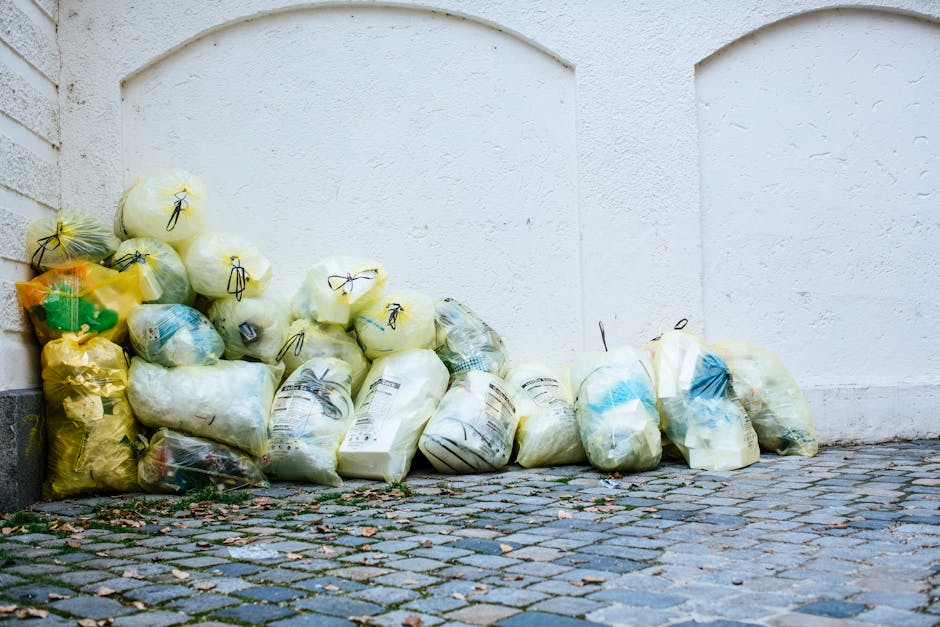
Waste disposal laws in Merton after a house move

Moving home in Merton is stressful enough without staring at a pile of broken boxes, bubble wrap, old furniture and the odd mystery item from the back of a cupboard. The tricky bit is that waste disposal laws in Merton after a house move are not just a tidy-up issue; they affect how you sort, store, transport and hand over rubbish once you leave a property. Get it wrong, and you can end up with fly-tipping concerns, council penalties, or a neighbour complaint that ruins an otherwise decent moving day.
This guide explains the practical side of disposing of move-related waste in plain English. You will learn what counts as household waste, what usually needs separate handling, how to stay on the right side of local rules, and how to avoid the common mistakes people make when they are rushing to clear a place out. Truth be told, it is often the last 10% of a move that causes 90% of the mess.
Why Waste disposal laws in Merton after a house move Matters
After a move, most waste is harmless in itself. Cardboard, carrier bags, old curtains, packaging filler, chipped crockery, and worn-out bits of furniture are all common examples. The problem is that once waste leaves your hands, responsibility does not magically disappear. If waste is dumped in the wrong place, left outside too early, or handed to someone who is not properly handling it, it can become a legal and practical headache very quickly.
In Merton, as across London, the main issues tend to be straightforward: keeping pavements clear, avoiding nuisance to neighbours, and making sure rubbish is transferred only through legitimate routes. A lot of people think, "It's just a few black bags, surely that's fine." Sometimes it is. Sometimes it really isn't. The detail matters more than people expect.
There is also a timing issue. Moving day often creates waste at the exact moment you are least organised. Boxes pile up in the hallway, tape sticks to shoes, and the recycling bin is already full. If you leave disposal planning until the last minute, you can end up making rushed decisions, and that is when people accidentally cross the line into poor practice.
Expert summary: The safest approach is simple: sort waste early, keep recyclables separate where practical, do not abandon items on the street, and only use disposal routes you can actually trust. A calm 20-minute plan beats a chaotic midnight clear-out, every time.
If your move has produced more items than you expected, services such as house removals or removals and storage can help reduce the pressure before the cleanup phase even begins. For smaller, awkward loads, a man and van option may be more practical than trying to do everything yourself in one frantic weekend.
How Waste disposal laws in Merton after a house move Works
The basic legal idea is quite simple: household waste must be stored, presented, and handed over responsibly. In practical terms, that means you should not dump items on the street, block shared access, or leave bags where they can blow open and become litter. After a move, waste disposal also needs a bit more judgment because you are often dealing with mixed materials.
Think in categories, not just "rubbish." That makes life easier.
- Recyclable packaging: cardboard, paper, some plastics, clean wrapping materials.
- Residual waste: broken items, contaminated packaging, damaged household bits that cannot be reused.
- Bulky items: old mattresses, wardrobes, sofas, tables, shelves.
- Special items: electricals, batteries, paint, chemicals, sharp objects, and anything that needs separate handling.
Move-related waste often gets messy because not everything is "waste" in the same sense. Some items can be donated, sold, reused, or stored while you decide. That distinction matters. For example, a spare dining table does not need to become waste just because you do not have room for it right now. A short-term solution like short-term storage or even household storage can buy you time to make a better decision.
There is also a contractor chain to think about. If you hire someone to remove rubbish, you should expect them to handle it lawfully and sensibly. You do not need to become a compliance expert, but you do need to ask basic questions. Where is the waste going? Is it being reused, recycled, or disposed of properly? What happens if they cannot take a certain item? These are fair questions. Actually, they are the sort of questions that save people trouble later.
One more thing: house moves generate paperwork too. Old tenancy files, manuals, receipts, and private documents often end up mixed in with the general clear-out. Those should not just go in with ordinary rubbish if they contain personal details. For that kind of clean separation, document storage can be a helpful bridge while you sort what to keep and what to securely destroy.
Key Benefits and Practical Advantages
Following the rules is not just about avoiding a problem. It actually makes the move smoother. Clean disposal habits reduce stress, shorten the final tidy-up, and help you hand back a property in a better state. That matters whether you are a tenant, a homeowner, or moving out of a flat where every bin run feels like a small expedition down three flights of stairs.
Here are the main advantages of doing this properly:
- Less risk of disputes: no awkward conversations with landlords, neighbours, or managing agents.
- Lower chance of fines or complaints: especially if waste is left outside or handled badly.
- Better recycling outcomes: more packaging and reusable items can be separated cleanly.
- Less physical clutter: which makes packing, cleaning, and handover easier.
- More control over sentimental items: no rushed decisions about furniture or keepsakes.
There is a quieter benefit too: peace of mind. When the kitchen is empty and the last bag has gone, you can actually breathe. The room sounds different. A bit hollow, a bit echoey. That is usually when people realise the move is nearly done.
Using services from the same site can help you stage the process rather than forcing everything into one day. For example, if you need to move items out before deciding what to keep, self storage or secure storage can keep belongings safe while you sort the final disposal list. For especially bulky furniture, furniture storage can also be a practical holding solution.
Who This Is For and When It Makes Sense
This topic matters to more people than you might think. It is not just for landlords or people with a giant pile of flat-pack waste. In everyday life, the need shows up in a lot of ordinary moving scenarios.
- Tenants who need to leave a flat clean and clear before handover.
- Homeowners clearing out old furniture, broken appliances, or loft clutter.
- Families trying to manage a full-house move without turning the pavement into a dumping point.
- Students who are moving between term-time accommodation and do not want to haul everything home.
- People downsizing who suddenly discover that the spare room contains more than spare room items.
- Anyone using removals support who wants the clearance to happen legally and calmly.
It makes sense to think about waste disposal laws early if your move is likely to produce bulky rubbish, mixed recycling, or awkward items that need special handling. That includes a broken wardrobe, old mattresses, exercise equipment, office chairs, and the box of random cables everyone seems to have. Where do they come from? No one knows. They just appear.
If you are moving from a small property or a top-floor flat, the logistics can be especially awkward. In those cases, flat removals and small removals can make the move more manageable, particularly when you have limited access, narrow stairs, or parking pressure.
Step-by-Step Guidance
Here is a practical way to handle waste after a house move in Merton without overcomplicating things.
- Walk through every room first. Do not start throwing things away blindly. Make one pass and identify what is reusable, recyclable, sellable, donate-able, and truly waste.
- Separate materials early. Cardboard in one area, soft plastic in another, general rubbish in another. It sounds dull, but it saves time and confusion.
- Set aside special items. Batteries, paint tins, cleaning chemicals, and electrical items need more care than a standard bag of rubbish.
- Decide what is worth storing. If you are not ready to let go of certain furniture or boxes, put them aside for storage instead of forcing a rushed decision.
- Arrange lawful removal. Use a legitimate disposal route, whether that is council collection, a licensed waste carrier, or another proper disposal channel.
- Keep access routes clear. Leave hallways, stairwells and shared areas tidy. That helps both safety and neighbour relations.
- Check the property again before leaving. Small items hide in cupboards, behind radiators, and under beds. Always do one final sweep.
A useful habit is to set up three labelled zones: keep, move, and dispose. That tiny system makes the whole process less emotional. And yes, moving can be emotional. People get attached to a kitchen chair far more than they expect.
If the house move is part of a longer transition, long-term storage can be useful for items you do not want to throw away yet but cannot keep at the new property. For business owners, business storage and office storage can be just as important if the move also involves documents, surplus desks, or archived equipment.
Expert Tips for Better Results
A few small decisions make a big difference. In our experience, the people who stay calm about disposal are the ones who start early and keep the rules simple.
- Do not mix clean recycling with food waste or general rubbish. Once packaging is contaminated, it is harder to reuse sensibly.
- Flatten cardboard boxes before they pile up. It saves space in the van, the hallway, and your own head.
- Keep one bag for last-minute odds and ends. That stops screws, batteries, remote controls, and charger leads disappearing into random boxes.
- Photograph valuable items before disposal. If something has borderline value, a quick photo helps you decide whether to sell, store, or scrap it.
- Ask before you leave bulky items behind. Shared bin areas are not a magic solution, and they are rarely appreciated.
One practical move-day trick: have a separate "maybe" pile. Not everything needs an immediate yes or no. Sometimes you need a night's sleep, a cup of tea, and five minutes of quiet before deciding whether that side table is actually rubbish or just ugly in the wrong room. Fair enough, really.
If you need help handling the physical move while you sort disposal separately, options such as local removals, removals, and mobile self storage can reduce the pressure. That is especially useful when moving out over several days rather than in a single rush.
Common Mistakes to Avoid
The biggest errors are usually not dramatic. They are small, ordinary, and completely avoidable. Still, they happen all the time.
- Leaving waste on the pavement "just for a bit." That is one of the fastest ways to create a nuisance and possibly a breach of local rules.
- Assuming someone else will collect it. A neighbour, porter, or cleaner is not automatically responsible for your move waste.
- Putting everything in one black bag. You lose the chance to recycle clean materials, and special items get hidden.
- Forgetting about tenancy obligations. Some properties are handed over with specific cleaning and clearance expectations.
- Using an unverified collector. If waste is fly-tipped later, the original holder may still face questions.
- Leaving it until moving night. That is when good intentions go out of the window. Usually with a thud.
Another subtle mistake is overusing storage without a plan. Storage is helpful, but it should be a decision, not a delay tactic. If you are holding onto items because you have not had time to decide, set a clear review date. Otherwise, the "temporary" pile becomes part of the furniture, and nobody wants that.
Tools, Resources and Recommendations
You do not need a complicated toolkit to manage move waste well. A few simple items are enough.
- Heavy-duty bin bags for residual waste.
- Marker pens and labels for sorting boxes clearly.
- Gloves for sharp edges, dusty loft finds, and those old cupboard surprises.
- Box cutters and tape for flattening cardboard safely.
- Reusable crates or tubs for items you may keep or store.
From a service point of view, the most useful pages on the site are the ones that help you avoid overfilling the move itself. If your clearance is still in progress, packing services can help you separate items more neatly before the move. For more complex situations, removals and storage can reduce the chaos by splitting transport from final disposal.
It is also worth reviewing company trust pages before booking anything that touches your belongings or waste trail. Pages such as health and safety policy, insurance and safety, and recycling and sustainability help show how a provider thinks about handling, risk, and responsible disposal.
Law, Compliance, Standards, or Best Practice
For most households, the compliance side comes down to good habits and sensible checks rather than complicated legal interpretation. In the UK, the central principles are familiar: do not dump waste illegally, do not allow it to be fly-tipped, and make sure anyone taking waste away is operating properly. If you are arranging collection through a third party, it is sensible to satisfy yourself that they are legitimate and that the disposal route is appropriate for the material.
A few practical best-practice points are worth keeping in mind:
- Separate hazardous or specialist items rather than mixing them into normal rubbish.
- Keep evidence of who took the waste if you are using a paid remover, especially for bulky loads.
- Do not overfill shared bins or block communal areas while waiting for collection.
- Respect property rules for flats, managed buildings, and leasehold developments.
- Use storage rather than abandonment if you are uncertain about an item's future.
There is also a practical safety angle. Sharp packaging, broken glass, nails, and dismantled furniture can cause injury during a move, especially when everyone is tired and it is getting late. That slightly frazzled evening window is when people rush. You can hear the tape crackle and the recycling sacks rustle, and that is usually the moment to slow down rather than speed up.
For businesses or households with secure items, using secure storage is often a better short-term answer than piling everything into a room and hoping for the best. If the issue is a smaller load or a few awkward pieces, small removals can be a cleaner fit than a full-size move.
Options, Methods, or Comparison Table
There is no single best way to handle post-move waste. The right option depends on what you have, how quickly you need it gone, and whether any items are worth keeping or storing first.
| Option | Best for | Pros | Watch out for |
|---|---|---|---|
| Home sorting and council-style disposal | Everyday packaging, household waste, lighter clear-outs | Simple, familiar, usually cost-conscious | Can be slow, and bulky items may need extra planning |
| Storage before final decision | Items you may keep, sell, donate, or reuse later | Reduces pressure and avoids rushed disposal | Can become clutter if you do not set a review date |
| Removal support for the move itself | Furniture, packed boxes, mixed loads | Good for timing, access and physical workload | Not every mover handles every waste type |
| Specialist disposal for awkward items | Electrics, chemicals, damaged bulky goods | Safer and more appropriate for certain materials | Needs more checking and planning |
If your move is mostly about shifting items out and figuring the rest out later, a mixed approach often works best. Use short-term storage for the "decide later" pile, then sort the true waste separately. It sounds almost too obvious, but that is often the smartest route.
Case Study or Real-World Example
Imagine a couple moving out of a two-bedroom flat in Merton at the end of a tenancy. They have flat-pack furniture in pieces, a broken bedside table, three bags of old clothes, a box of kitchen items, and a pile of cardboard from new furniture they bought for the next place. Nothing extreme. Just normal life, piled into corners.
What usually happens in this sort of move is that waste gets handled in waves. The clothes are donated or stored. The good boxes are flattened. The broken bedside table is set aside for disposal. The paperwork is checked separately because it includes old account details and tenancy letters. The couple then books a smaller transport solution for the items they are keeping and uses storage for the bits they are still undecided about.
That approach works because it reduces last-minute panic. Instead of treating everything as rubbish, they create a simple flow: keep, store, dispose. No drama. No overflowing hallway. No mysterious extra load sneaking into the van at 9 p.m.
It is not glamorous, but it is realistic. And realistic is usually what wins on moving week.
Practical Checklist
Use this checklist in the final 48 hours before you leave the property.
- Sort waste into recycle, reuse, store, and dispose.
- Flatten cardboard and bundle it neatly.
- Set aside batteries, paint, sharp items, and electricals.
- Check cupboards, lofts, under beds, and behind appliances.
- Make sure shared areas and pavements stay clear.
- Confirm who is taking bulky or mixed waste away.
- Keep any personal documents separate from general rubbish.
- Use storage for items you are not ready to lose.
- Take a final photo of empty rooms if needed for your records.
- Do one last walk-through before the keys go back.
If you want to reduce the amount of waste you are dealing with at the end, it helps to plan the move around organised packing and storage from the start. Household storage and mobile self storage can both ease the pressure when the handover date is fixed but your sorting is not quite finished.
Get a free quote today and see how much you can save.
Conclusion
Waste disposal laws in Merton after a house move are really about one thing: handling the end of a move responsibly so you do not create problems for yourself or anyone else. That means sorting early, keeping waste categories separate where practical, avoiding fly-tipping risks, and using proper disposal or storage routes when the pile gets too big to manage casually.
The good news is that most move-related waste is manageable with a calm system and a bit of forethought. You do not need a complicated plan, just a sensible one. Once you stop treating rubbish as an afterthought, the whole move feels more controlled. Less noise, less clutter, fewer surprises.
And when the last box is gone and the rooms are empty, that clean feeling is worth a lot. Not perfect. Just properly done. That counts for plenty.
Frequently Asked Questions
What counts as waste after a house move in Merton?
It usually includes broken items, packaging, old furniture you are not keeping, damaged household goods, and anything you decide not to take to the new property. Reusable items should be separated if possible.
Can I leave boxes and rubbish outside the property after moving out?
Generally, no. Leaving waste outside can create nuisance, clutter shared areas, and risk complaints or penalties. It is much safer to arrange proper removal or keep items inside until collection.
What should I do with bulky furniture I no longer want?
First decide whether it is reusable, saleable, or worth storing. If not, arrange a lawful bulky-item disposal route rather than leaving it by the road or in a communal bin area.
Are cardboard boxes supposed to go in general waste?
Usually not if they are clean and recyclable. Flatten them, keep them dry, and separate them from contaminated waste where possible. If they are greasy or heavily soiled, they may no longer be suitable for recycling.
What if I'm not sure whether an item should be kept or thrown away?
Use a "maybe" pile and set a review date. If you still cannot decide, storage can be a practical bridge so you do not rush a decision you may regret later.
Do I need to separate electrical items from other waste?
Yes, that is usually the sensible approach. Electricals, batteries, and similar items often need different handling from standard household rubbish, especially if they are damaged or contain components that should not be mixed in.
Is it okay to give my rubbish to a man and van service?
Only if they are handling it properly and you are satisfied it will be disposed of responsibly. The important thing is not the label on the vehicle but the way the waste is handled afterwards.
How can storage help with disposal after moving?
Storage gives you breathing room. It is useful for items you are not ready to throw away, furniture you may reuse, or boxes you want to sort later without clogging up the new home.
What is the safest way to deal with personal documents during a move?
Keep them separate from general rubbish and review them carefully. If you are holding them temporarily, document storage is a tidy interim option while you decide what can be securely destroyed.
What mistakes cause the most trouble after a move?
The biggest ones are leaving waste in shared spaces, mixing special items with ordinary rubbish, and assuming someone else will sort it out. Last-minute disposal tends to be where things go sideways.
Should I plan waste disposal before or after moving day?
Before, ideally. Even a rough plan makes a huge difference. If you wait until the van is already loading, you are more likely to make rushed choices and miss items that should have been kept, stored, or separated.
What is the easiest way to reduce waste from a house move?
Declutter early, reuse packing materials where possible, and only move what you actually need. A little planning saves a lot of rubbish. It really does.