Raynes Park station removals for commuter flat relocations
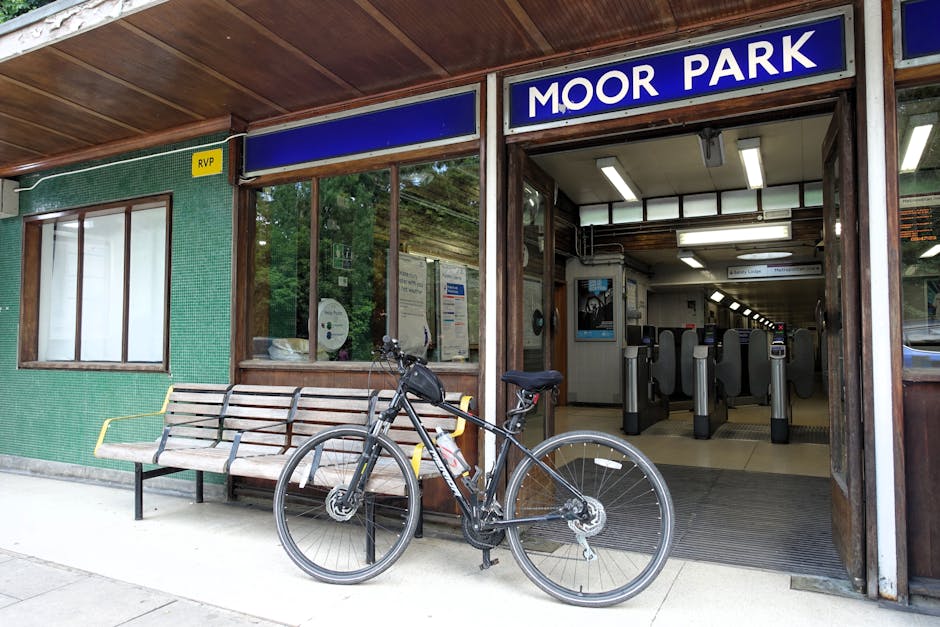
If you are moving into or out of a flat near Raynes Park station, you already know the awkward bits tend to start before the sofa even moves. Tight stairwells, limited parking, lift bookings, bike racks, busy commuter traffic, and a clock that seems to speed up the moment you need it most. That is exactly where Raynes Park station removals for commuter flat relocations make life a lot easier. Done properly, the move feels organised, calm, and far less chaotic than a typical London flat move. Done badly, well... let's just say you will notice every missing trolley, every extra trip, and every minute spent circling for parking.
This guide breaks down how station-area flat moves work, why they are different, and what to do to keep your relocation efficient, tidy, and low-stress. You will also find a practical checklist, a real-world example, comparison advice, and a few local insights that matter more than people usually admit.
Why Raynes Park station removals for commuter flat relocations Matters
Station-area flat moves are not just "small removals". They sit in a tricky middle ground: too awkward for a casual DIY move, but often too compact for a huge household operation. In Raynes Park, that matters even more because commuter properties often sit on busy streets, close to rail access, with a steady flow of people, cars, taxis, and deliveries. The margin for error is slim.
For commuters, timing is everything. A move that clashes with the morning rush can turn a simple loading job into a slow shuffle of awkward lifts, blocked pavements, and neighbours trying to get past with coffee in one hand and a laptop bag in the other. It sounds minor until you are the one standing there with a mattress on a stair landing. The practical challenge is not just moving belongings; it is moving them around a live transport-and-residential environment without upsetting the day.
That is why local knowledge matters. A removal team used to Raynes Park station flats will usually understand the rhythm of the area, where access gets tight, how long loading may realistically take, and why a job that looks simple on paper can still need careful planning. If your move also involves temporary overflow items or delayed handover dates, services such as short-term storage or removals and storage can be the difference between a smooth day and a frantic one.
Practical takeaway: the closer a flat is to commuter traffic and station access, the more important planning becomes. Good removals are not only about lifting boxes; they are about keeping the move moving.
How Raynes Park station removals for commuter flat relocations Works
In simple terms, the process starts with access, not boxes. A good mover will ask about floor level, lift size, stair width, parking restrictions, and whether the flat is above a shop, in a purpose-built block, or in a converted house. Those details shape the whole job. A one-bedroom flat on the second floor with a narrow stairwell is a very different animal from a ground-floor apartment with direct kerbside loading.
The next step is usually an inventory-style conversation. What needs moving? Are there fragile items, white goods, a bed frame, office equipment, or plants that will not enjoy sitting in a van for hours? In commuter moves, the answer often includes a mix of furniture and work essentials. People do not just relocate their lives now; they relocate laptops, monitors, desk chairs, charging cables, and those little everyday bits that somehow vanish at the worst time.
On the day, the team should aim to create a clear path from flat to vehicle. That often means protecting floors, dismantling larger furniture, carrying smaller loads efficiently, and keeping the loading zone as tidy as possible. If the move is local, a service like local removals can be a neat fit, especially where speed and familiarity with the area matter. For lighter loads, a small removals approach can be more cost-effective than booking a full-scale vehicle and crew you do not really need.
Truth be told, the best station-area moves feel boring in the best possible way. No drama, no confusion, no last-minute "where is the parking bay?" moments. Just a clear plan, a sensible route, and a team that knows how to keep things moving.
Key Benefits and Practical Advantages
The most obvious benefit is convenience, but that is only part of the story. A well-managed commuter flat relocation near Raynes Park station gives you several practical advantages that are easy to overlook when you are rushing.
- Less disruption: planning around commuter patterns reduces delays and avoids unnecessary friction with neighbours or building managers.
- Faster loading and unloading: shorter carrying distances and better scheduling keep the move efficient.
- Lower risk of damage: careful handling, floor protection, and good packing reduce scrapes, knocks, and breakages.
- Better use of limited space: flat moves often need intelligent loading rather than brute force.
- More control over timing: that matters when keys, handovers, or train commutes are all tied to the same day.
- Less stress: and honestly, this is a big one. A calmer move tends to go faster too.
There is also the mental benefit of knowing you are not improvising on the day. If you are moving after work, or trying to line up a move with a lease end and a new tenancy start, a structured approach helps protect your schedule. For many people, the move is not the hard part; the timing is.
Families, couples, solo renters, and sharers all benefit differently. Some want speed. Others want careful packing. A few just want the whole thing done before the weekend disappears. Fair enough.
Who This Is For and When It Makes Sense
This kind of removals service makes sense for anyone moving in or around the Raynes Park station area, but it is especially useful in a few common situations.
- Young professionals: if you commute daily and cannot afford a chaotic move that bleeds into your working week.
- Flat sharers: when several people are splitting a move and the furniture is a bit of a patchwork of ownership and responsibility.
- First-time renters: if you are moving from a larger home into a compact flat and do not have much experience with access logistics.
- Couples downsizing: especially where certain furniture may no longer fit the new space.
- Remote and hybrid workers: if your desk setup, monitors, and devices need careful handling so work can resume quickly.
- Landlords and letting agents: when a tenant move-in or move-out needs to happen on a tight timetable.
It also makes sense when the move is small on paper but awkward in practice. Maybe you only have a bed, a desk, and a few boxes, but the building has tight stairs and no lift. Maybe parking is limited and the key handover is at 2 p.m. Maybe the move is simple, but the timing is not. In real life, that is often enough.
And if you are weighing up different moving options, it can help to compare them properly instead of just going with whatever sounds cheapest. The article compare Merton movers sameday vs scheduled services is useful for that exact decision.
Step-by-Step Guidance
Here is a practical way to approach a station-area flat move without letting it turn into a scramble.
- Confirm your dates early. Check access times, tenancy dates, lift bookings, and when you can collect or hand over keys.
- Map the access. Look at stairs, doors, corridors, and parking before moving day. A five-minute check can save half an hour later.
- Sort what is actually going. Separate keep, donate, recycle, and discard. Do not pack items just because they are there.
- Measure larger furniture. Beds, sofas, wardrobes, and desks are the usual troublemakers. Measure doorframes too. People often forget the doorway bit, which is a bit annoying but very common.
- Book the right type of move. A full removals team, a man and van, or a smaller service may all be suitable depending on volume and access.
- Pack by room and priority. Keep essentials separate. Kettle, chargers, toiletries, clean clothes, medication, and documents should not vanish into the back of the van.
- Label clearly. Simple room labels beat clever notes. "Kitchen" is better than "miscellaneous life bits".
- Plan for first-night use. If you need your bed frame, bedding, and laptop urgently, those should be loaded last and unloaded first.
- Check insurance and damage cover. Make sure you understand what is covered before anything gets lifted.
- Leave buffer time. A station move can be smooth and still hit a snag. Traffic, access, and key delays happen.
Small but useful tip: keep a visible box for essentials. Put it somewhere impossible to miss, not buried under a mystery pile of duvets and half-assembled shelving. Future-you will be grateful.
Expert Tips for Better Results
After enough flat moves, patterns become obvious. The jobs that run well usually share a few habits.
1. Treat access as the main job. The packing matters, yes, but access often decides whether a move feels easy or exhausting. If the parking is awkward, arrange the smallest sensible vehicle and keep carrying distances short.
2. Reduce volume before moving day. The less clutter you move, the cheaper and cleaner the process tends to be. A flat near Raynes Park station is rarely spacious enough to justify taking everything "just in case". Be honest about what deserves the journey.
3. Use dismantling strategically. Some furniture moves better in pieces. A bed frame or dining table may be far easier to handle once broken down properly. Don't overdo it, though. If dismantling becomes a puzzle, you are probably losing time rather than saving it.
4. Keep the first hour easy. Put obvious, lightweight items near the door first. It creates momentum. And momentum matters on moving day. Sounds simple, but it works.
5. Ask about timing windows. If your building, landlord, or concierge has access limits, align the removal slot with those rules rather than hoping someone will be flexible on the day.
6. Choose the right support level. Some people only need transport. Others need packing, loading, dismantling, and maybe storage as well. There is no prize for doing the most yourself.
If you need help with packing, a dedicated service like packing services can reduce the risk of breakage and save a surprising amount of time. For people who want a more hands-off experience, that is often money well spent.
Expert summary: the smoothest Raynes Park station moves are usually the least dramatic ones. Clear access, sensible packing, and a realistic schedule will beat heroic last-minute effort almost every time.
Common Mistakes to Avoid
Let's face it, most moving problems are predictable. That is the frustrating part. The good news is that most of them are avoidable if you know where the traps are.
- Underestimating parking: station-area streets can tighten up quickly. Do not assume there will be plenty of room at the exact minute you need it.
- Ignoring stair access: handrails, bends, low ceilings, and awkward landings can turn a "small" move into a slow one.
- Packing by panic: random boxes are a nightmare to unpack and make it harder to spot missing items.
- Leaving decluttering too late: unwanted items create time pressure and waste space in the vehicle.
- Forgetting building rules: some blocks have move-in policies, lift protections, or time restrictions that need advance planning.
- Not protecting fragile items properly: this is the classic one. Plates in towels, loose glasses in a supermarket bag... no, please don't.
- Booking the wrong size service: too small means extra trips; too large can mean paying for capacity you do not need.
Another common mistake is not preparing for the first evening in the new flat. People pack everything, arrive tired, and then cannot find a phone charger, clean bedding, or a mug. It is a small thing until it is not. That is why a little planning goes a long way.
Tools, Resources and Recommendations
You do not need a van full of specialist kit to move well, but a few basic tools make a big difference.
- Sturdy boxes: consistent box sizes stack better and reduce awkward shifting.
- Bubble wrap and paper: useful for glassware, lamps, framed prints, and small valuables.
- Labels and marker pens: simple, visible, and absolutely worth it.
- Furniture covers: helpful for soft furnishings, mattresses, and anything you want to keep clean in transit.
- Tools for dismantling: screwdrivers, Allen keys, and a small bag for fixings.
- Trolley or sack truck: especially useful for heavier boxes or stacked items.
- Storage option: if dates do not line up neatly, a short-term solution can save the day.
If your move involves temporary overflow, bulky items, or a gap between tenancies, you may also want to look at self storage or household storage. These are particularly handy if your new flat is smaller than your old one, which, to be fair, happens more often than people expect in commuter areas.
For budget planning, the page on pricing and quotes is worth a look if you want a better sense of how moving services are usually priced and what affects the final figure. No two flat moves are identical, but transparency always helps.
Law, Compliance, Standards, or Best Practice
For Raynes Park station removals, compliance usually comes down to sensible UK moving practice rather than anything unusually complex. Still, there are a few areas worth paying attention to.
Parking and access: if a vehicle needs to load close to the property, parking restrictions or permit requirements may apply. These are often managed locally, so it is wise to check arrangements in advance. Do not assume you can just stop anywhere for "a couple of minutes". In practice, that often becomes a very expensive couple of minutes.
Building rules: flats in managed blocks may have move-in procedures, lift padding requirements, service lift bookings, or limited moving hours. Always follow the building's own rules. Even where the move is quick, common areas still need care.
Health and safety: lifting should be handled sensibly, with proper teamwork and the right equipment. Heavy or awkward items should not be rushed down narrow stairs. That is how damage and injuries happen.
Insurance and liability: check what your removals provider covers, and keep track of any especially valuable or fragile items. If in doubt, ask questions before the day rather than after.
Waste and disposal: anything you are not taking should be dealt with responsibly. If you are clearing old furniture or unwanted items after the move, it helps to understand the rules around disposal and recycling. The article waste disposal laws in Merton after a house move is a useful reference, and recycling and sustainability is a sensible next step if you want to dispose of items responsibly.
Best practice, in plain English, is simply this: plan properly, avoid blocking access, handle property respectfully, and keep records where needed. That is usually enough to keep a station-area move tidy and uncomplicated.
Options, Methods, or Comparison Table
Choosing the right moving method matters more than people think. The "best" option depends on volume, distance, access, and how much help you want on the day. Here is a straightforward comparison.
| Option | Best for | Strengths | Limitations |
|---|---|---|---|
| Man and van | Small flat moves, single-room relocations, light furniture | Flexible, often cost-efficient, good for short-distance commuter moves | Less suitable for larger loads or multiple bulky items |
| Small removals | Compact flats, light households, students, first-time renters | Balanced support without overpaying for unused capacity | May not suit bigger family-style loads |
| Full removals service | Heavier, more complex flats or moves with more furniture | More hands, more protection, better for complex access | Usually higher cost than a lighter option |
| Removals plus storage | Delayed handovers, downsizing, overlap between tenancies | Flexible when dates do not line up neatly | Needs extra planning and may involve separate storage costs |
If you are unsure which method fits your move, the safest approach is to start with the actual volume, not the wishful version. People often describe a flat move as "just a few things" and then remember the office chair, the shelving unit, the exercise bike, and the box of kitchen gear. Suddenly, not so small.
Case Study or Real-World Example
Here is a realistic example from a typical commuter flat move near Raynes Park station. A renter was moving from a second-floor flat into a one-bedroom apartment a short distance away. The inventory was modest: bed frame, mattress, two small bookcases, desk, office chair, a sofa, TV, and about a dozen boxes.
On paper, it sounded straightforward. In practice, the first property had a narrow stairwell and limited outside space. The new flat had a tighter hallway than expected and a delivery window that could not be extended. The move went best when the team arrived with a clear loading plan, dismantled the bed early, protected the floor at both ends, and kept the boxes grouped by room.
The real win was not speed alone. It was avoiding small delays that would have stacked up: no back-and-forth to the van for forgotten essentials, no last-minute decision about what should be taken, no argument over which box contained the kettle. Everything had a place. The tenant was unpacking the same evening instead of hunting through random cartons at 10 p.m. under the yellow light of a bare bulb. Not glamorous, but very effective.
This is the kind of result station-area removals should aim for: tidy, controlled, and practical. Nothing dramatic. Just a move that works.
Practical Checklist
Use this checklist to keep your Raynes Park station flat move on track.
- Confirm move dates, key collection, and access windows.
- Measure large furniture and compare with doorways, stairs, and lift size.
- Check parking options and any permit or building restrictions.
- Sort items into keep, donate, recycle, and dispose.
- Pack fragile items with proper protection.
- Label all boxes by room and priority.
- Prepare an essentials box for the first night.
- Decide whether you need packing help, storage, or dismantling support.
- Review insurance coverage and any special handling needs.
- Share the final plan with everyone involved in the move.
Quick reminder: if you are moving after work, pre-pack as much as possible the night before. Even an extra thirty minutes of preparation can take a lot of pressure off the morning. It really can.
Get a free quote today and see how much you can save.
Conclusion
Raynes Park station removals for commuter flat relocations are really about one thing: making a tight, high-pressure move feel manageable. The flat may be small, but the logistics can be surprisingly detailed. Once you account for parking, access, timing, packing, and the rhythm of commuter life, the value of a well-planned move becomes obvious.
If you prepare properly, choose the right type of service, and keep the essentials simple, your move can be straightforward rather than stressful. That is the goal, after all. A smooth handover, a clean landing in the new flat, and no frantic searching for the phone charger. Small wins. Big relief.
And if you are still somewhere in the messy middle of planning, that is normal. Keep going. A good move is usually the result of a handful of sensible decisions made early, not one heroic effort at the last minute.
Frequently Asked Questions
What makes Raynes Park station removals different from a normal flat move?
The main difference is the local environment. Station-side moves often involve tighter parking, more foot traffic, building access rules, and a stronger need for precise timing. That combination means planning matters more than it might on a quiet residential street.
Is a man and van enough for a commuter flat relocation?
Sometimes, yes. If the flat is small, the load is modest, and access is straightforward, a man and van can be ideal. If there are bulky items, awkward stairs, or more furniture than expected, a small removals or fuller service may be the safer choice.
How far in advance should I book?
As early as you can, especially if your move needs to fit around work, tenancy dates, or building access times. Station-area removals can fill quickly at popular times, and leaving it late can narrow your options.
Can removals teams help with packing and dismantling?
Yes, many do. Packing and dismantling support is especially useful for flats, where space is limited and furniture often needs to be broken down to move safely. It also reduces the chance of damage during transport.
What if I need storage between flats?
That is very common. If your move-out and move-in dates do not line up neatly, short-term storage can bridge the gap. It is also useful if you are downsizing or waiting for a room to become ready.
How can I reduce moving costs without cutting corners?
Declutter before moving day, pack early, label clearly, and choose the right size of service. One of the easiest ways to overspend is to move things you do not actually need. Fewer items usually means less time, less space, and less stress.
What items should I keep with me instead of loading into the van?
Keep valuables, documents, medication, chargers, keys, and immediate essentials with you. It is also sensible to keep any important work equipment or anything you may need on arrival the same day.
Do I need to worry about parking near Raynes Park station?
Yes, parking can be one of the biggest variables in any local move. It is worth checking restrictions, loading access, and whether your building or street has any special rules before moving day.
What is the best way to move furniture from a flat with narrow stairs?
Measure carefully, dismantle where sensible, and use the right handling equipment. In some cases, the furniture should be taken apart before it reaches the stairwell. That saves time and avoids the painful "will it turn this corner?" moment.
Are there best practices for moving in managed apartment blocks?
Yes. Book lift times if needed, protect communal areas, respect building rules, and keep neighbours informed where appropriate. A little courtesy goes a long way in apartment blocks, especially in busy commuter areas.
Can I combine removals and storage in one booking?
Often, yes. Combining both can be convenient if you are moving in stages or need a temporary holding point for furniture and boxes. It also keeps the process simpler because you deal with fewer moving parts.
What should I check before choosing a removals provider?
Look at experience with flat moves, local knowledge, insurance, service options, and how clearly they explain pricing. A provider who asks the right questions up front is usually a good sign. It means they are thinking about the actual move, not just the booking.
If you want to explore more about the company, the about us page gives a helpful overview of the team, while contact us is the natural next step if you are ready to ask about your move.