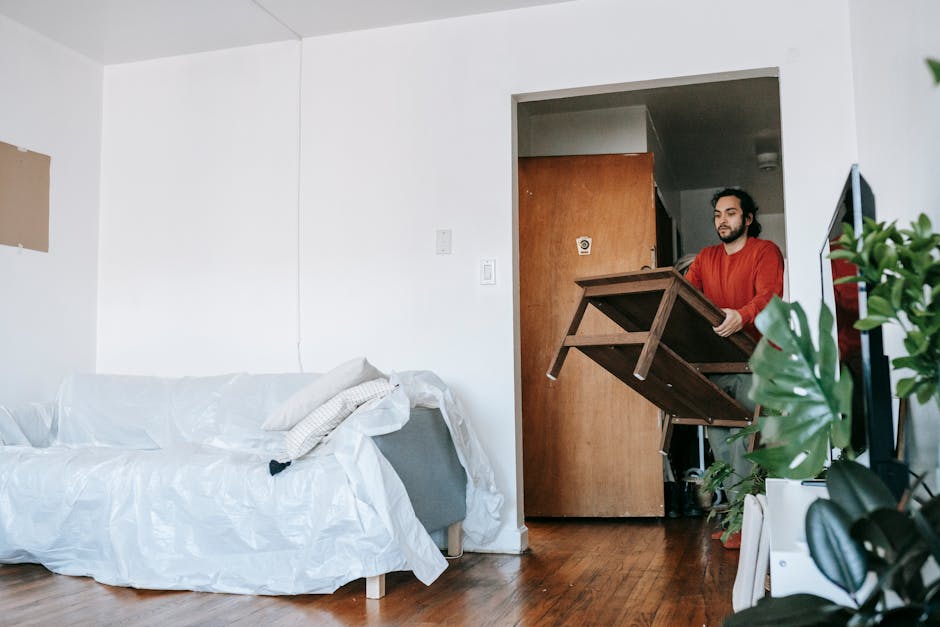
Bulky furniture disposal after moving in Merton
Moving house is already one of those jobs that makes the kettle work overtime. You have boxes everywhere, a missing screwdriver, and at least one item of furniture that suddenly looks far too large for the new place. That is where Bulky furniture disposal after moving in Merton becomes more than a tidy-up task. It is the difference between settling in properly and living around an unwanted sofa for another three weeks.
Whether you have just moved into a flat near Merton High Street, a family home with a narrow hallway, or a rental with no loft space at all, bulky items can create instant clutter. The good news is that there are sensible, legal, and surprisingly efficient ways to handle them. This guide walks through the practical options, the local considerations, the common mistakes, and the best way to make a clean decision without wasting time or money.
If you also need storage while you decide what stays and what goes, it can help to look at the wider support available through Storage Merton. For planning, pricing, or a more tailored move-out arrangement, their pricing and quotes page is a sensible place to start. And if you want to understand the company before using any service, their about us page gives useful context.
Table of Contents
- Why Bulky furniture disposal after moving in Merton Matters
- How Bulky furniture disposal after moving in Merton Works
- Key Benefits and Practical Advantages
- Who This Is For and When It Makes Sense
- Step-by-Step Guidance
- Expert Tips for Better Results
- Common Mistakes to Avoid
- Tools, Resources and Recommendations
- Law, Compliance, Standards, or Best Practice
- Options, Methods, or Comparison Table
- Case Study or Real-World Example
- Practical Checklist
- Conclusion
- Frequently Asked Questions
Why Bulky furniture disposal after moving in Merton Matters
At first glance, a spare wardrobe or old dining table might feel like a low-priority problem. In real life, though, bulky items affect how quickly a home starts to feel liveable. They block corridors, take up valuable floor space, and can make unpacking feel twice as hard. That awkward moment when you are trying to open a box of plates and there is still a three-seat sofa wedged in the corner? Not ideal.
In Merton, this matters even more because many homes mix modern flats with older terraces and maisonettes. Access can be tight. Stairs can be narrow. Parking can be annoying. So a large item that was manageable in one property can quickly become a headache in the next. Let's face it, nobody wants to keep stepping around an ottoman for a fortnight while "figuring it out".
There is also the practical side of moving costs. If you keep furniture you no longer need, you may end up paying to store, shift, or protect it later. That is money and time that could be saved with a clear decision now. In some cases, it is smarter to dispose of an item responsibly, replace it with something better suited to the new home, and start fresh.
Expert summary: The best bulky furniture disposal plan is usually the one that balances speed, legality, cost, access, and reuse. In other words: the right method is not always the cheapest one on paper, but it is often the one that saves you the most hassle after the move.
There is another important reason. Furniture disposal is not just about clearing space; it is about doing it in a way that avoids fly-tipping, injury, or avoidable waste. For households that care about greener choices, the recycling and sustainability page is worth a look because it reflects the kind of responsible approach many people want after a move.
How Bulky furniture disposal after moving in Merton Works
Bulky furniture disposal usually means removing large items that are difficult to place in normal household bins or transport in a standard car. Think sofas, beds, wardrobes, mattresses, cabinets, dining sets, desks, and other awkward pieces that need more than a quick bin-bag solution. The exact route you take depends on the item's condition, how quickly it needs to go, and whether you want disposal, recycling, or possible reuse.
In practical terms, the process often starts with sorting. You decide what is staying, what is going into storage, and what needs to leave the property now. That sorting step sounds basic, but in a move it is where a lot of people either save themselves trouble or create more of it. A few calm minutes now can save a Saturday later.
From there, the main disposal routes usually fall into a few categories:
- Reuse or donation: suitable when the item is clean, safe, and in usable condition.
- Recycling-led disposal: useful when the item can be broken down into separate materials.
- Specialist removal: helpful for heavy, awkward, or multiple items after a move.
- Temporary storage: sensible if you are undecided and do not want to rush the decision.
Some households prefer a blended approach. For example, you may move one bed frame into storage, recycle a damaged wardrobe, and keep a small sofa only if it fits the new living room properly. That kind of split decision is common after moving, and it is usually more realistic than trying to "keep everything just in case".
If you are juggling timing, storage can buy breathing room. That is where Storage Merton can sit naturally in your plan, especially if you are not ready to make a final call on a large item the same week you move.
Key Benefits and Practical Advantages
There are several very real benefits to handling bulky furniture properly after a move, and most of them are more immediate than people expect.
1. You reclaim usable space straight away
That new spare room starts feeling like a room again, not a furniture graveyard. Even a single large item can change the way you move through a house. Clearing it early makes unpacking simpler and reduces stress.
2. You avoid lifting and handling risks
Heavy furniture is awkward. It catches on walls, floors, stair rails, and door frames. One careless lift can lead to a strained back or a scuffed hallway. Truth be told, furniture injuries are a lot less dramatic in stories than they are in real life.
3. You make better financial decisions
Keeping oversized furniture "for now" often leads to hidden costs: storage fees, extra moving labour, or a last-minute disposal charge later. A proper decision after moving can be cheaper overall, even if it feels like another job in the moment.
4. You reduce waste and keep more options open
Furniture in decent condition can often be reused, broken down, or prepared for recycling rather than dumped. That is better for the environment and usually better for your own sense of order too.
5. You settle into the new home faster
This one is easy to underestimate. When the clutter goes, the space feels calmer. You can picture where the lamp should go, hear the room properly, and stop negotiating with a sofa that does not belong there.
For people who want clear, transparent service expectations, checking practical support pages such as terms and conditions and insurance and safety can be reassuring before arranging any handling or storage plan.
Who This Is For and When It Makes Sense
This topic is not only for homeowners with a house full of furniture. It comes up for a lot of different people after moving in Merton.
- Renters who have inherited old furniture from a previous tenant or landlord arrangement.
- Families downsizing or rearranging rooms after moving to a different property size.
- Couples combining two households and suddenly discovering there are two sofas, three coffee tables, and no real plan.
- Landlords clearing left-behind items between tenancies.
- Homeowners replacing bulky items that simply no longer fit the new layout.
- People in temporary accommodation who need a short-term solution before making final decisions.
It makes sense to act quickly if an item blocks access, creates a safety hazard, or is stopping the rest of the move from settling down. It also makes sense if the furniture is damaged, unhygienic, or costly to transport again. Sometimes the honest answer is simple: the item has done its job, and now it needs to leave.
On the other hand, if the furniture is still useful but you are not yet sure whether it fits the new home, temporary storage can be the more sensible middle ground. That is especially true during the first week after a move, when judgement can be a bit foggy and every room looks smaller than it did on viewing day.
Step-by-Step Guidance
Here is a straightforward way to handle bulky furniture disposal after moving in Merton without overcomplicating it.
- List every bulky item. Walk through the property and note sofas, beds, wardrobes, tables, drawers, mattresses, bookcases, and anything else awkward.
- Separate keep, store, donate, and dispose. Be honest. If you have not used it in two years and it does not suit the new place, that is usually a signal.
- Check condition carefully. Look for broken frames, stains, missing fittings, and damage that makes reuse unlikely.
- Measure access. Doorways, stairwells, lifts, and parking all matter. A piece that can leave one home may not fit the next route out.
- Decide whether you need help. A single chair is one thing. A heavy wardrobe on a third-floor landing is something else entirely.
- Choose the most suitable route. Reuse, storage, recycling, or removal should match the item and your timeline.
- Prepare the item. Remove cushions, shelves, or loose fittings if required. Keep screws or parts together in a labelled bag.
- Confirm timing and access. If someone is collecting or helping, make sure they can park, enter, and move safely.
- Finish with a quick clean-up. Vacuum the floor, check for small fittings, and clear the path fully. It makes a bigger difference than people think.
A small real-world example: if you move into a flat and discover the old sofa is too deep for the lounge, do not push it "just for now" into the bedroom. That workaround tends to linger. A week later, it is still there, and now the room looks like a waiting area at a very confused dentist's office. Better to make the call early.
Expert Tips for Better Results
After enough house moves, a few patterns become obvious. The smoothest furniture disposals are rarely the ones that happen in a rush. They are the ones where the decision is made early and the handling is kept simple.
Start with the biggest item first
The largest object usually creates the most disruption, so deal with it first. Once the bulky item is gone, the rest of the room becomes easier to organise.
Be realistic about condition
A scratched table may still be usable. A sagging sofa with broken springs may not be worth keeping. It sounds obvious, but people do hang on to furniture out of habit, not usefulness. Happens all the time.
Use storage only when it solves a real problem
Storage is helpful if you need time to decide, are waiting on room measurements, or are in between setups. It is not as helpful if you are storing things simply because letting go feels awkward. There is a difference.
Protect floors and walls during removal
Moving bulky furniture through a fresh property can leave marks fast. Blankets, sliders, and basic corner awareness help. If you are hiring help, ask how items are being moved and whether the team knows how to handle tight internal access. That question alone can prevent a lot of headache.
Think in terms of the next three months, not just today
Will the new furniture arrangement still make sense once the boxes are unpacked? Will the spare room really become a guest room, or is it more likely to become an office? That perspective helps you avoid keeping the wrong things for the wrong reasons.
If you want a provider that is transparent about process and business standards, pages like health and safety policy and contact us can help you judge how seriously they treat customer experience and practical support.
Common Mistakes to Avoid
The mistakes people make with bulky furniture after a move are usually very human. They are not dramatic. They are just expensive, awkward, or time-consuming later on.
- Leaving decisions too late: the item sits in a hallway for days and becomes part of the scenery.
- Assuming everything can be lifted alone: a wardrobe says otherwise, loudly.
- Not checking access before moving day: narrow stairs and tight corners can turn a simple job into a puzzle.
- Ignoring condition: if the item is unsafe or badly damaged, reuse may not be realistic.
- Mixing disposal with storage without a plan: things get moved twice and nobody enjoys that.
- Forgetting safety gear or basic precautions: gloves, careful lifting, and clear walkways matter.
- Choosing only on price: the cheapest option can become costly if it causes delays or damage.
One of the biggest mistakes is emotional. People attach a "maybe" to every item. Maybe it will fit. Maybe it will be useful later. Maybe the second sofa will be handy one day. Maybe. But maybe is not a plan. If you are honest with yourself, the right answer becomes easier to see.
Tools, Resources and Recommendations
You do not need fancy equipment to make progress, but a few basic tools can make furniture disposal much less stressful.
- Measuring tape: useful for checking whether an item fits through doors, lifts, and corners.
- Protective gloves: helpful for splinters, sharp staples, and rough edges.
- Blankets or floor coverings: reduce the risk of scuffs and scratches during movement.
- Marker pen and labels: handy for screws, fittings, and dismantled parts.
- Basic screwdriver or Allen key set: often enough for bed frames and flat-pack furniture.
- Strong bin bags or boxes: good for cushions, fixings, and small accessories.
For service planning, the most useful resources are often the company pages that explain expectations, payment, and customer support. If you are comparing arrangements, payment and security is a practical reference, and pricing and quotes helps you understand the likely structure before committing.
Some readers also appreciate reassurance about how a company handles complaints and access needs. That is fair enough. Pages like complaints procedure and accessibility statement can tell you a lot about how organised and customer-aware a provider is, even before you speak to anyone.
Law, Compliance, Standards, or Best Practice
When disposing of bulky furniture in the UK, the safest approach is to use lawful and responsible routes. In plain English, that means you should not dump items on the street, leave them by a bin store without permission, or hand them to someone who cannot clearly explain where they are taking them. Fly-tipping is a real issue, and the wrong choice can cause trouble for the original owner as well as the area.
There is also a duty of care mindset to keep in mind. If you pass furniture to a third party, it is sensible to make sure they are legitimate, understand what they are taking, and are likely to handle it properly. You do not need to become an expert in waste law to do the right thing, but a little caution goes a long way.
Best practice also includes safety. Large furniture can trap fingers, collapse during dismantling, or block fire routes if left in the wrong place. That is why clear walkways, sensible lifting, and prompt removal matter so much in a new home. If you have children or pets around, the risk increases a bit, and I would always say it is better to move early than to "sort it later".
From a trust perspective, look for providers that are transparent about how they operate. For example, a company's modern slavery statement, insurance and safety, and terms and conditions can all help you understand how seriously they treat responsibility, safety, and service clarity.
Options, Methods, or Comparison Table
Different situations call for different methods. The right choice depends on how soon the item must go, whether it is still usable, and whether you need to keep your options open for a while.
| Method | Best for | Advantages | Limitations |
|---|---|---|---|
| Reuse or donation | Clean, safe, usable furniture | Extends life of the item; often the most sustainable route | Only works if condition is good and collection is practical |
| Temporary storage | Items you are unsure about | Buys time; reduces rushed decisions | Ongoing cost; not a final solution |
| Specialist removal | Large, heavy, awkward, or multiple items | Saves time and physical effort; better for tight access | May cost more than doing it yourself |
| DIY disposal | Smaller bulky items and confident households | Direct control; can be economical | Needs transport, lifting, time, and safe handling |
If you are stuck between storage and disposal, ask one question: Will I honestly want or need this item in the next few months? If the answer is no, the item may already be taking more from you than it gives back.
Case Study or Real-World Example
Here is a realistic example from the kind of situation many Merton residents run into after a move.
A couple move into a two-bedroom flat and bring along a large sofa, a wooden wardrobe, and an old dining set. Once the boxes are unpacked, the wardrobe does not fit the bedroom layout, the dining table blocks light in the lounge, and the sofa makes the room feel smaller than it is. They keep telling themselves they will "see how it goes" for a week or two.
By the second week, the furniture has become part of the background, but not in a good way. The room is harder to clean, one of the chairs is constantly in the way, and the hallway feels cramped. At that point, they split the problem into three: one item goes into storage while they measure properly, one item is recycled because it is no longer practical, and one item is removed because it clearly does not suit the new home.
The result is not dramatic. No grand transformation, no film-style reveal. Just a quieter, easier home. They can unpack properly, move around without turning sideways, and start using the space as intended. That is the real win. Simple, but a big deal once you are living it.
Practical Checklist
Use this checklist before and during bulky furniture disposal after moving in Merton.
- Identify every bulky item in the property.
- Measure doorways, stairwells, and lifts if the item needs moving out.
- Decide whether the item will be kept, stored, donated, or disposed of.
- Check the item's condition honestly and without delay.
- Remove loose parts, cushions, and fittings where appropriate.
- Label screws and small pieces in sealed bags.
- Clear walkways before lifting or moving anything.
- Protect floors, walls, and corners during removal.
- Confirm timing and access for any collection or support.
- Check whether storage is the smarter short-term option.
- Make sure the chosen route is lawful and responsible.
- Clean the area once the item has gone.
Quick reminder: if you are tired, rushed, or dealing with a very heavy item, pause. A short delay is better than a strained back or a damaged hallway.
Get a free quote today and see how much you can save.
Conclusion
Bulky furniture disposal after moving in Merton is not just a clear-out job. It is part of making the new home work properly from day one. The most effective approach is usually the one that combines honest sorting, safe handling, and a sensible choice between reuse, storage, recycling, or removal.
If you take a calm view of each item, check the access carefully, and avoid the usual rush decisions, you will usually save yourself time and stress. And sometimes that is all a fresh start needs: a little less clutter, a little more room to breathe, and no wardrobe blocking the light. Nice, isn't it?
For trust, transparency, and practical next steps, it helps to review the company's support pages and choose a route that feels clear, safe, and manageable. If you are ready to move forward, keep it simple and choose the option that makes your home easier to live in.
Frequently Asked Questions
What counts as bulky furniture after moving in Merton?
Bulky furniture usually means large or awkward items such as sofas, beds, wardrobes, dining tables, mattresses, and cabinets. If it is too heavy for normal household waste handling or awkward to carry through a property, it probably counts.
Should I dispose of furniture or put it in storage after moving?
It depends on condition, space, and your plans. If the item is still useful but you are unsure, temporary storage can buy time. If it clearly does not fit or is damaged, disposal is often the better call.
Can bulky furniture be recycled?
Often, yes. Many items can be broken down into wood, metal, fabric, or mixed materials. The exact route depends on the item and its condition, so recycling-led disposal is usually best for items that are no longer reusable but are still suitable for material recovery.
How do I know if a sofa or bed is worth keeping?
Ask yourself whether you would choose it again if you were starting from scratch. If the answer is no, and it does not fit the new property properly, that is a strong sign it may be time to let it go.
Is it cheaper to dispose of furniture myself?
Sometimes, yes. But DIY disposal only works well if you already have transport, time, and safe lifting capacity. Once you factor in hassle, fuel, access issues, and the risk of damage, the cheapest option on paper is not always the best value.
What if the furniture is still in good condition?
If the item is clean and usable, reuse or donation may be the most sensible route. That keeps the item in circulation and can reduce waste. If you are unsure, storage for a short period can give you time to decide.
Do I need help moving bulky items out of a flat?
For anything heavy, tall, or awkward, help is usually a good idea. Flats can have narrow stairs, tight turns, and limited parking, so what looks manageable at first can become difficult quickly. Better safe than sorry, honestly.
What should I check before arranging removal?
Check access, item condition, timing, and whether the chosen route is safe and lawful. If a provider is involved, it also helps to review practical pages such as pricing, safety, terms, and contact details so you know what to expect.
Can I leave bulky furniture outside for collection?
Only if the collection has been arranged and the items are placed where permitted. Leaving furniture outside without a clear arrangement can cause obstruction, damage, or compliance issues, so it is best to avoid making assumptions.
How quickly should I deal with unwanted furniture after moving?
As soon as it starts getting in the way. The longer it stays, the more likely it is to interfere with unpacking, cleaning, and day-to-day living. Early action is usually easier than a delayed clear-out.
What if I am not sure whether to keep a large item?
If you are undecided, do not rush. Measure the space, think about how you will actually use the room, and consider temporary storage. That is often the middle path that avoids regret later.
Why is bulky furniture disposal after moving in Merton such a common issue?
Because moving often reveals that old furniture does not suit the new space, access is tighter than expected, or the home layout has changed. It is a very normal part of settling in, and once you deal with it properly, the whole property tends to feel calmer.